
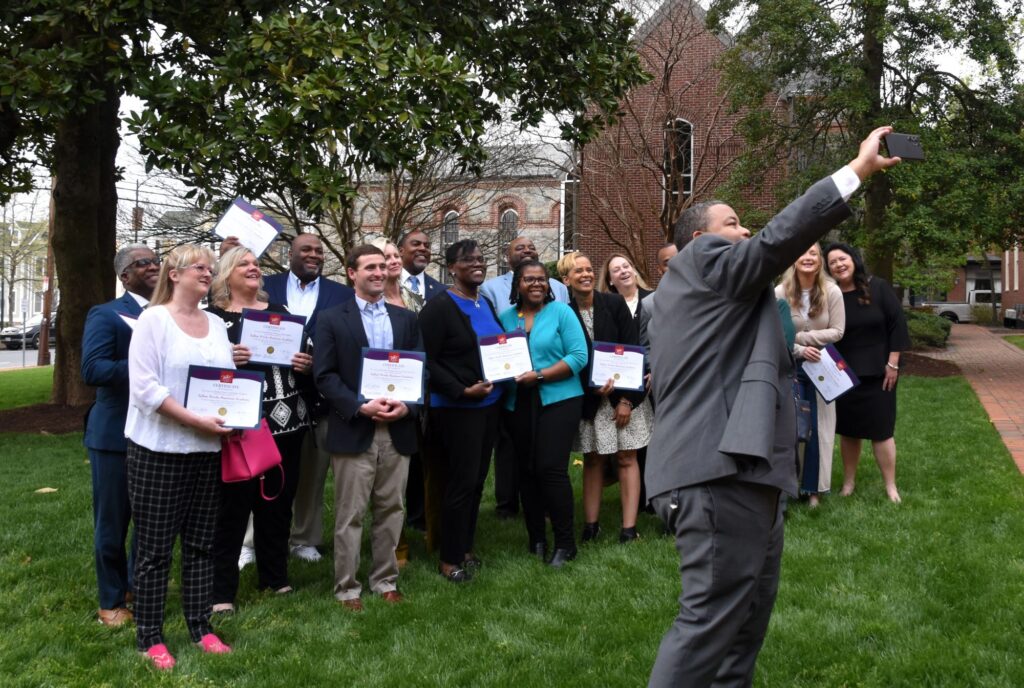
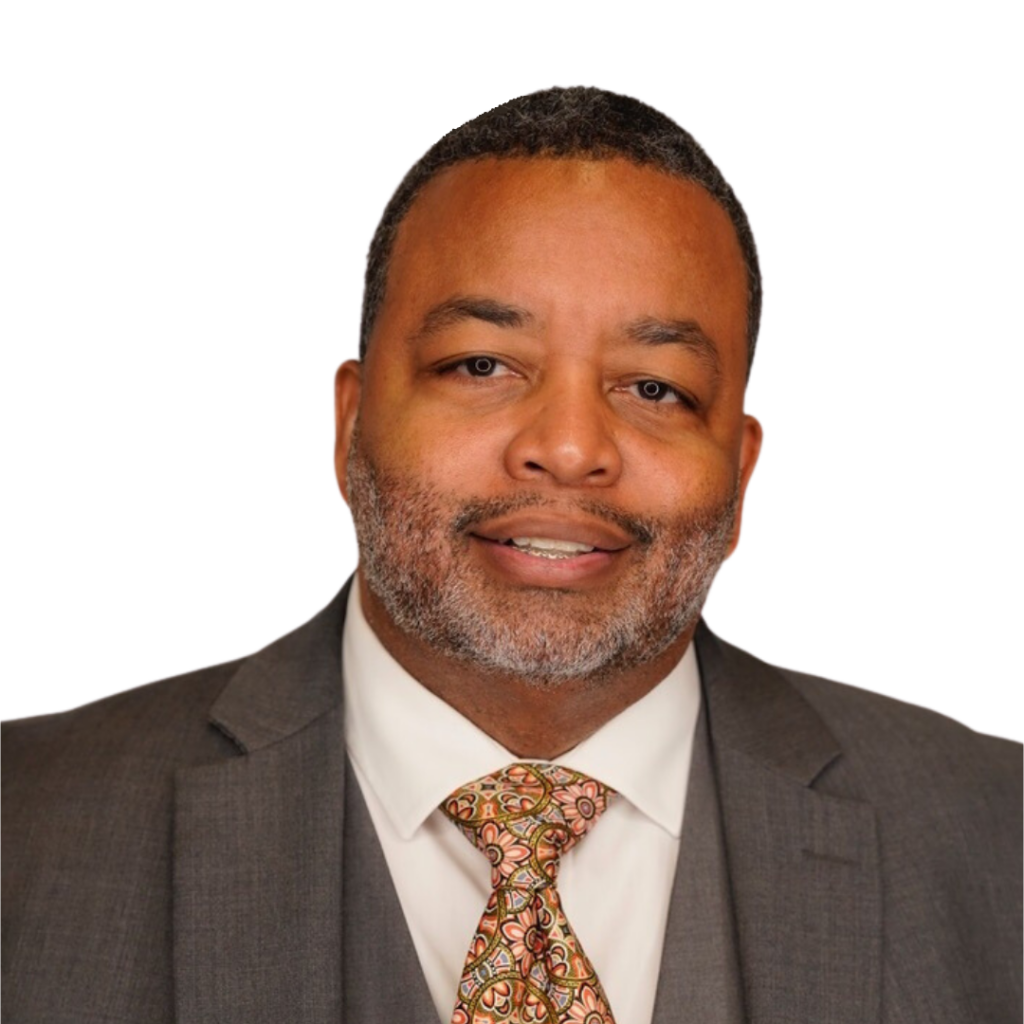
For two years now, the Talbot Works Business Academy has equipped entrepreneurs with the tools, confidence, and connections they need to grow. At the heart of this success is Will Holmes, the nationally respected business advisor whose firm, Will Holmes Consulting, has trained thousands of small-business owners across the country. Holmes brings a rare blend of practical expertise, clarity, and empathy to every Business Academy session—and he has a meaningful, longstanding connection to Talbot County’s entrepreneurial community.
We recently sat down with him to talk about what participants can expect, how his consulting philosophy shapes the curriculum, and why this program matters, and will be posting the results of our conversation soon.
How do you describe the Talbot Works Business Academy and what makes it effective for small-business owners?
The Talbot Works Business Academy is an intensive and practical training program designed to help business owners transition from being overwhelmed subject matter experts to strategic CEOs. It is effective because we strip away the theory and focus entirely on the “math and metrics” of business to give participants a clear roadmap to profitability. We hold entrepreneurs accountable to their own goals so they leave with cash flow projections and a growth plan they can execute immediately.
What are the most important skills or takeaways participants gain from completing the program?
Participants gain a mastery of their financial projections, learn specifically how to price their services for profit, and they create an exit strategy. They also leave with a repeatable marketing and sales process that targets their ideal customers to reduce the “feast or famine” cycle. Ultimately, they develop the skill of forecasting which allows them to make data-driven decisions rather than guessing about the future.
You have a talent for making complex business concepts accessible. How do you approach teaching topics like pricing, forecasting, and customer acquisition?
I approach these topics by breaking them down into simple scenarios using my core philosophy called “Find A Need. Fill A Need. Get Paid.” We avoid academic jargon and focus on the practical application by showing them exactly how a small increase in price affects their personal take-home pay. My goal is to make the numbers tell a story so that the math becomes empowering rather than intimidating.
Is there one exercise or module in the Academy that consistently sparks a breakthrough moment for participants?
The “Cash Flow Projections” and “Pricing for Profitability” modules are normally the breakthrough moments for the participants. Entrepreneurs often realize they have been subsidizing their customers by undercharging, and we do the math live to show how small budget adjustments, delegation through SOPs, and better sales strategy, can drastically improve their quality of life. It shifts their mindset immediately from competing on price to competing on value and expertise.
You’ve taught entrepreneurs at all levels. How does your consulting experience shape the curriculum you deliver here in Talbot County?

With more than 20 years of consulting experience, I have seen exactly where businesses fail and designed this curriculum to proactively address those specific pitfalls before they happen. I share battle-tested strategies and current trends like AI integration that I use with my corporate clients every day. This ensures Talbot County entrepreneurs are getting enterprise-level advice tailored for their specific stage of growth.
What are the biggest challenges you see small-business owners face, and how does the Academy help them address those issues?
The biggest challenge is usually the “superhero syndrome” where the owner tries to do everything themselves which leads to burnout and an inability to scale. The Academy addresses this by teaching them how to build efficient standard operating procedures and leverage technology to delegate tasks effectively. We show them how to stop working in the business so they have the time to work on the business.
Why is discipline, process, and data-driven decision-making essential for entrepreneurs—especially in small or rural markets?
In smaller markets you do not have the luxury of wasting resources on guesses or off brand marketing, so relying on data rather than feelings is critical for long-term survival. Discipline ensures consistency which is the fastest way to build trust in a tight-knit community where reputation is everything. When you know your numbers you can spot economic trends early and pivot quickly to protect your margins and serve your community.
You have a long history with this model. Can you share how Councilwoman Keasha Haythe first introduced your program to Anne Arundel County, and how that idea eventually made its way to Talbot County?
Years ago, Councilwoman Keasha Haythe saw the impact of our training program we created in Anne Arundel County and recognized the need for that same rigorous education here in Talbot. She championed this model because she knew it produced measurable economic results like real revenue growth and job creation rather than just being a networking event. It has been an honor to see that vision expand and succeed within the dedicated business community here in Talbot County.
When you were invited to help launch a rural version of the Academy here, what appealed to you about bringing this program to Talbot County?
I was drawn to Talbot County because I saw a vibrant community of makers and service providers who were incredibly talented and who longed for the structural business knowledge to scale. There is a unique hunger for growth here and I wanted to ensure that geography was not a barrier to accessing world-class business strategy. Helping rural businesses thrive strengthens the entire state’s economy and I wanted to be a part of that.
After four cohorts, what stands out to you about Talbot County’s entrepreneurs—their strengths, grit, or approach to business?
What stands out most is their incredible resilience and their willingness to support one another as they view each other as community partners rather than ruthless competitors. They are deeply invested in the quality of their work and the reputation of the county while often balancing deep community ties with their business ambitions. Their grit is unmatched and they show up ready to do the hard work every single week.
Do rural entrepreneurs face unique challenges or advantages that people might not expect?
A unique challenge is the smaller population density which means they must be much smarter about customer retention and maximizing the lifetime value of every client. However, their advantage is the “speed of trust” because word-of-mouth travels fast here and a good reputation can build a business faster than paid ads ever could. They also have direct access to local decision-makers like Ms. Cassandra Vanhooser, which is often impossible to achieve in larger cities.
From your perspective, why is a program like Talbot Works important to Talbot County’s economic vitality and long-term growth?
Talbot Works is vital because strong small businesses create local jobs, keep revenue circulating within the community, and attract new families to the area. By stabilizing these businesses and helping them grow, we are building a resilient economic foundation that doesn’t rely solely on outside investors. It empowers local families to build generational wealth right here at home.
You’ve spent a great deal of time working directly with our business community. What do you personally enjoy most about mentoring Talbot County entrepreneurs?
I personally enjoy seeing the transformation in confidence when watching a business owner walk in stressed and unsure only to leave with a clear roadmap and a smile. I love hearing their success stories months later about new contracts, hired staff, or simply having more time for their families. It confirms that the work we are doing is truly changing lives.
What is the one piece of advice you would offer to someone thinking about applying for the next cohort?
My advice is to come with an open mind and be ready to challenge your own assumptions about how your business should run. This program is not for those who want to stay comfortable because it is for those who are ready to do the work required to grow. If you are willing to trust the process and look at the hard data, the Talbot Works Business Academy will change the trajectory of your business and support you as you grow, add jobs, and create opportunities in the region.