
More than a century ago, trains rolled into Easton carrying flour, grain, and goods for merchants across the Mid-Shore. Men loaded wagons. Shopkeepers gathered supplies. Commerce moved through the heart of town one crate at a time.
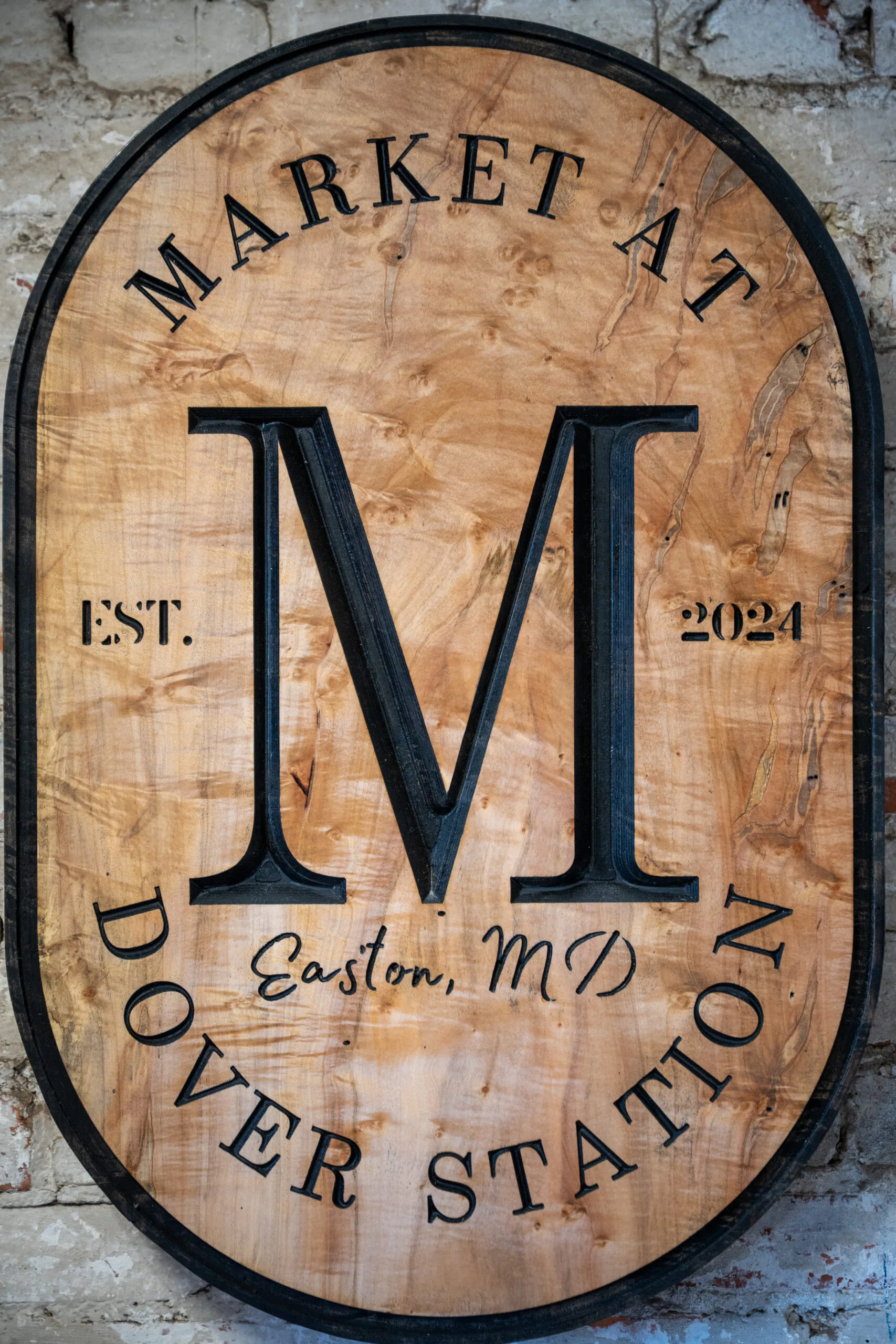
Today, the trains are gone, but something remarkably similar is happening again inside the sprawling brick warehouse at 500 Dover Road.
Only now, instead of sacks of grain, the building is filled with painters, potters, jewelers, florists, woodworkers, clothing boutiques, musicians, entrepreneurs, and neighbors who come simply to wander, linger, and connect.
The Market at Dover Station is not just a business. It is an ecosystem.
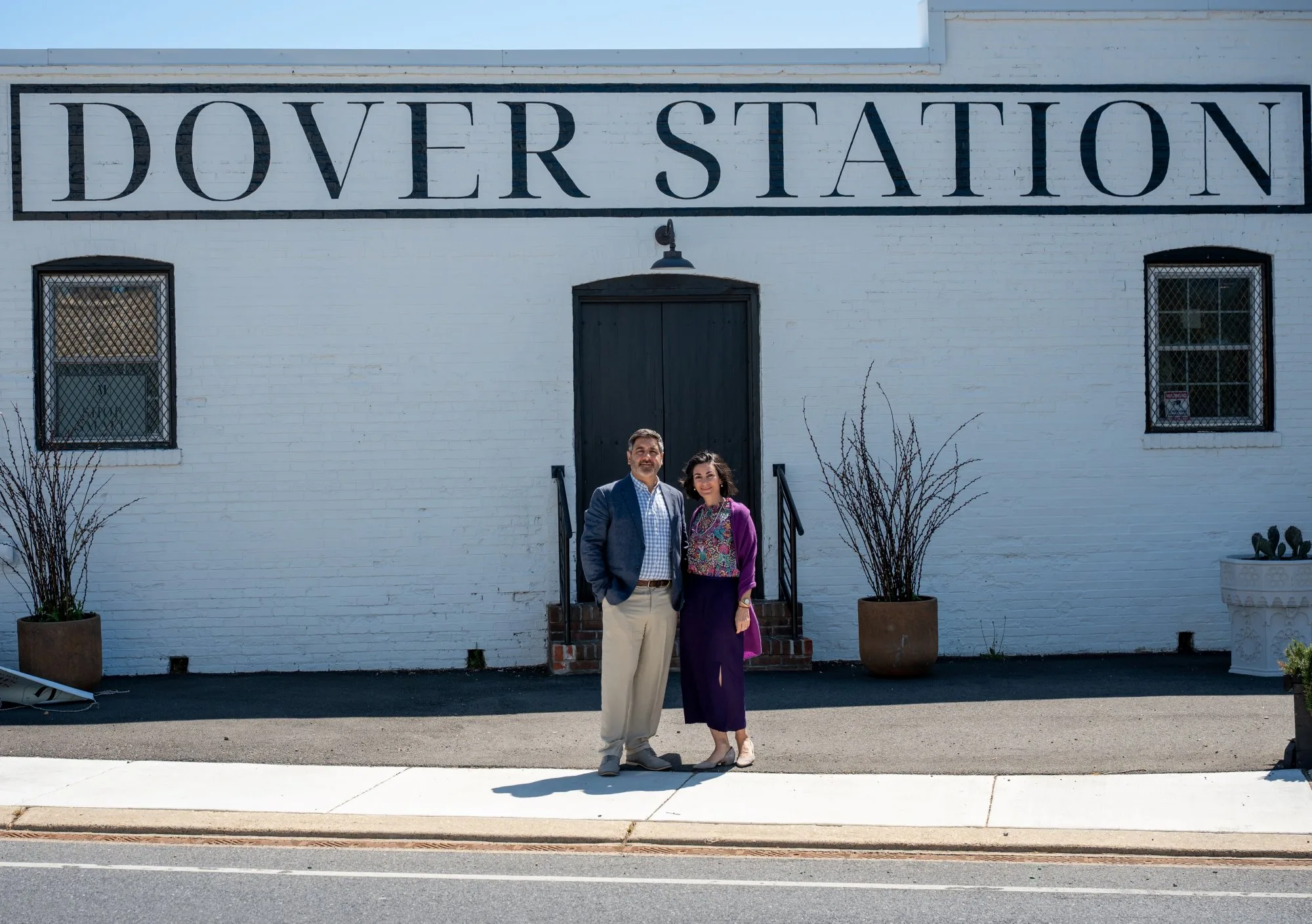
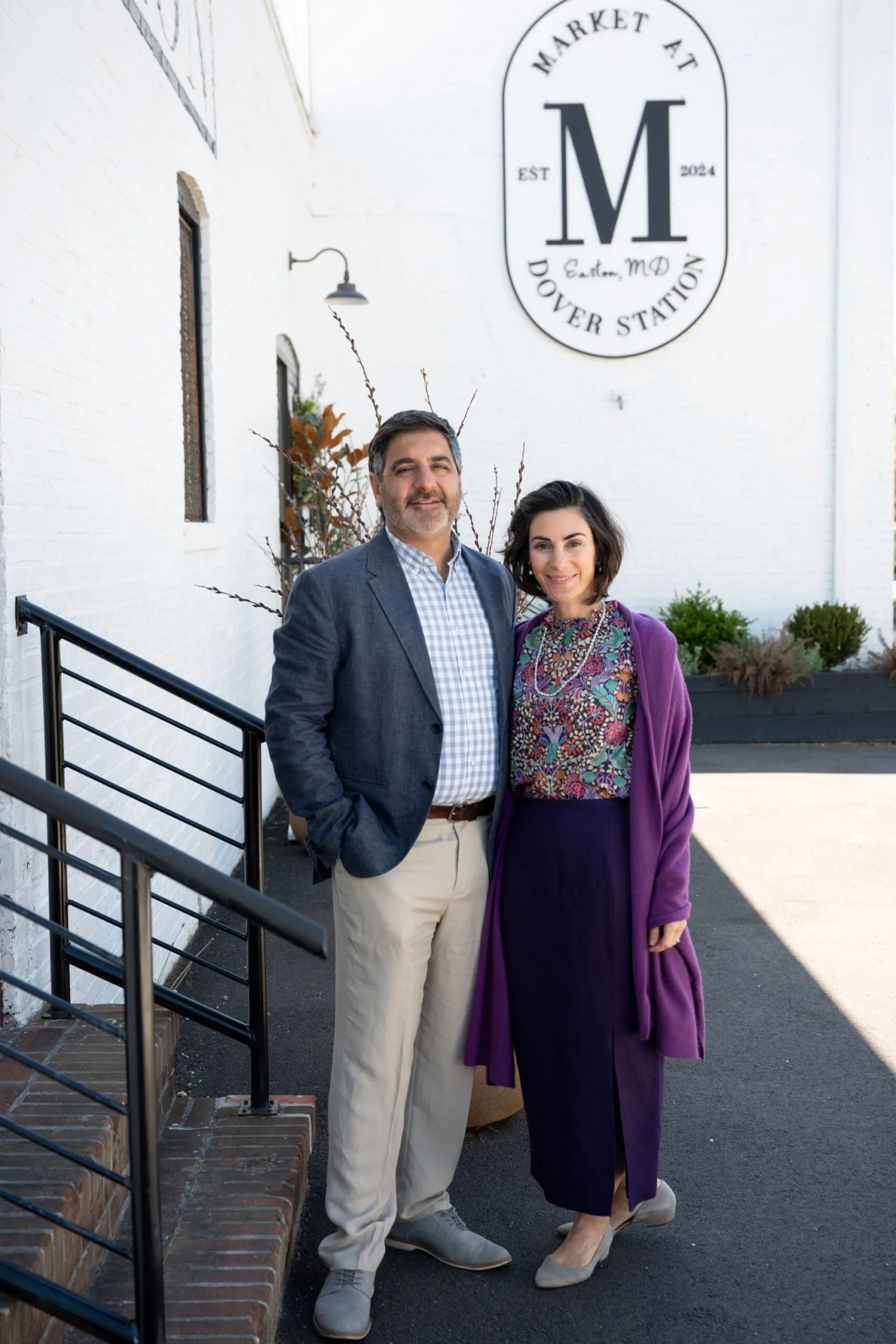
And that is exactly why Keri and Sevan Topjian are being recognized with the Community Impact Award at the 2026 Talbot County Business Appreciation Summit.
“We have over 100 local small businesses represented here,” says Keri Topjian. “It has transformed into an experiential shopping destination where friends come to meet each other and support local businesses.”
The scale of the transformation is difficult to overstate.
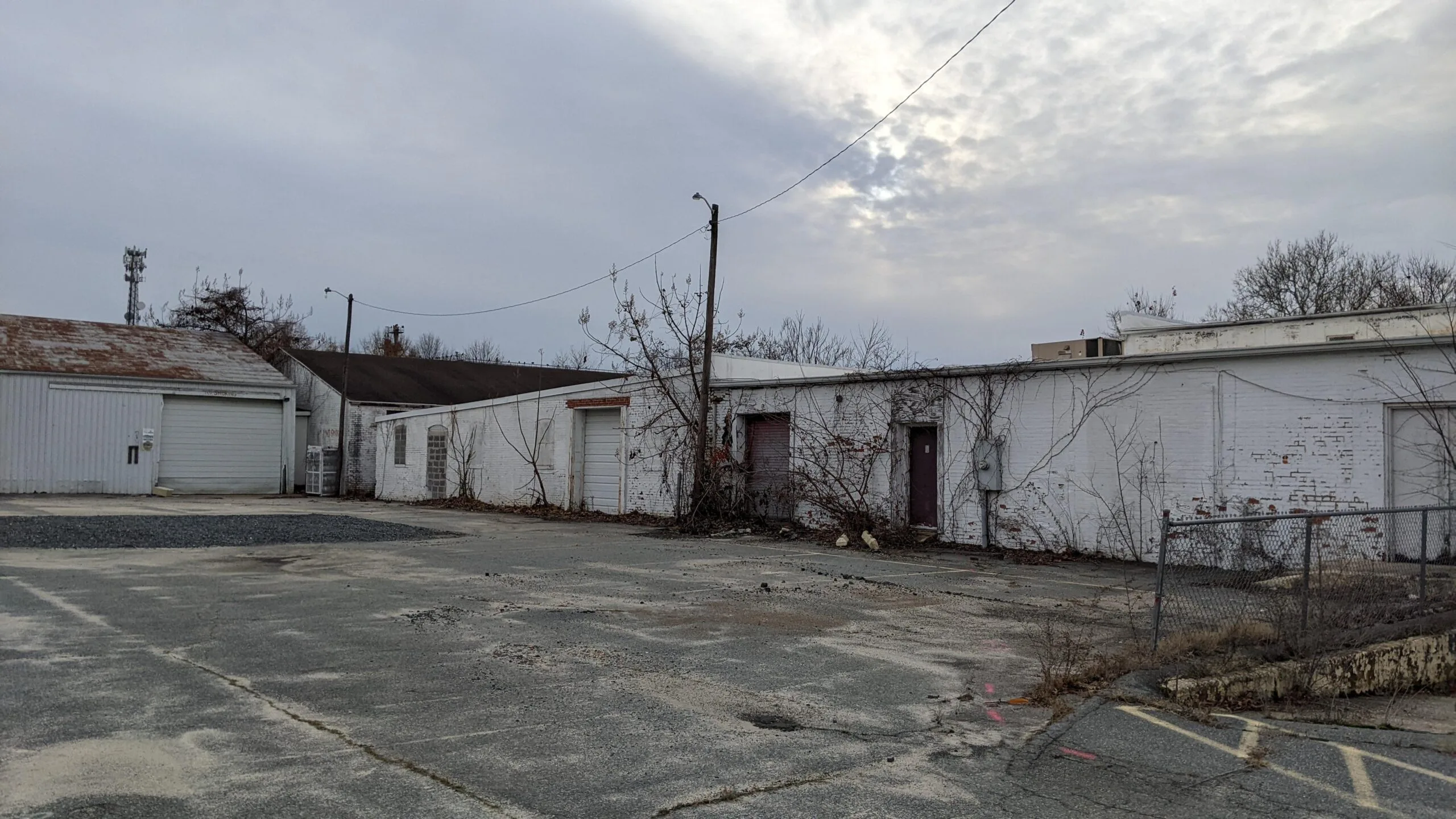
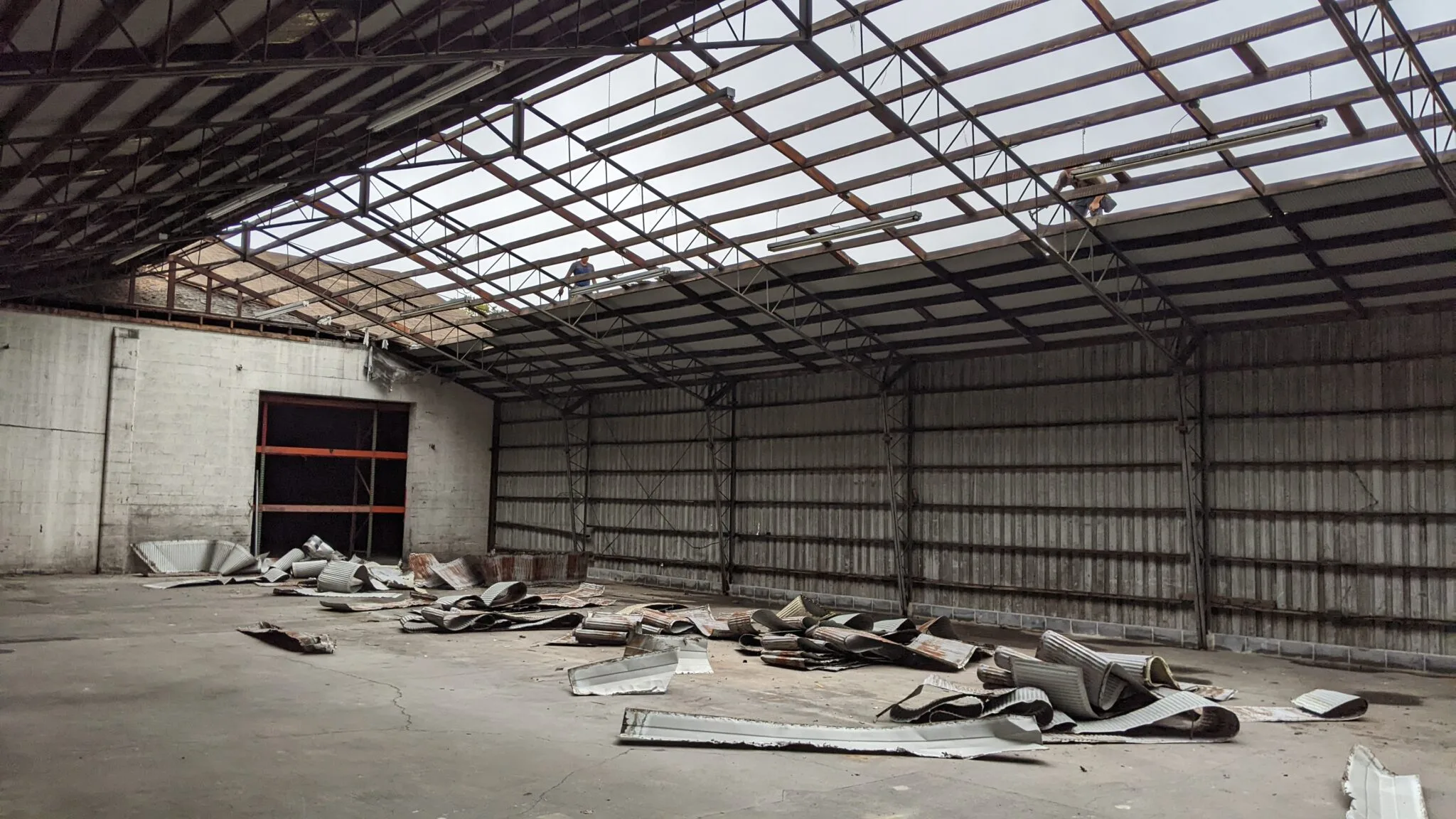
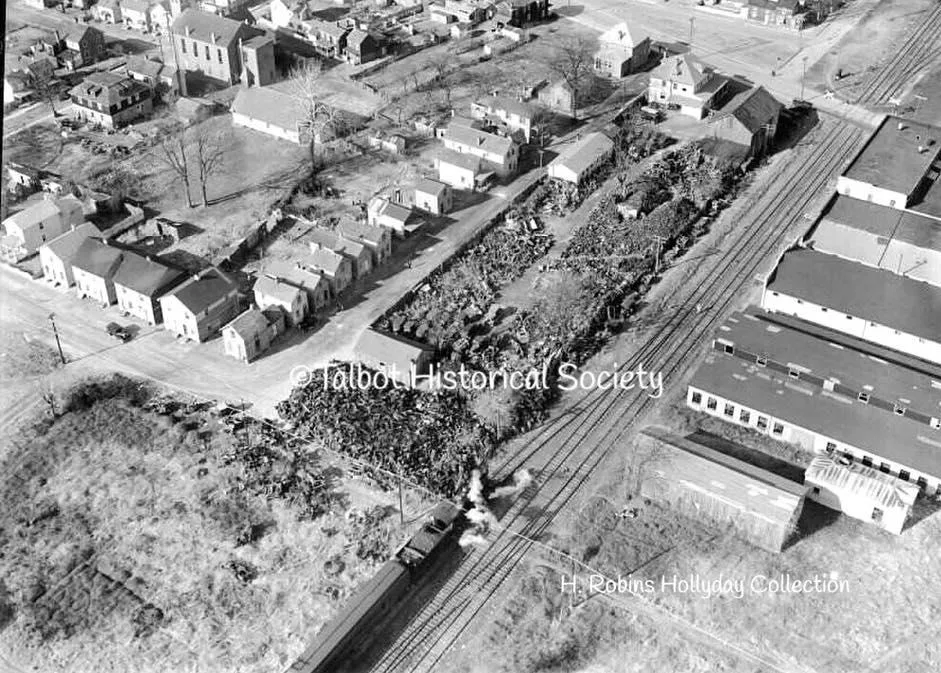
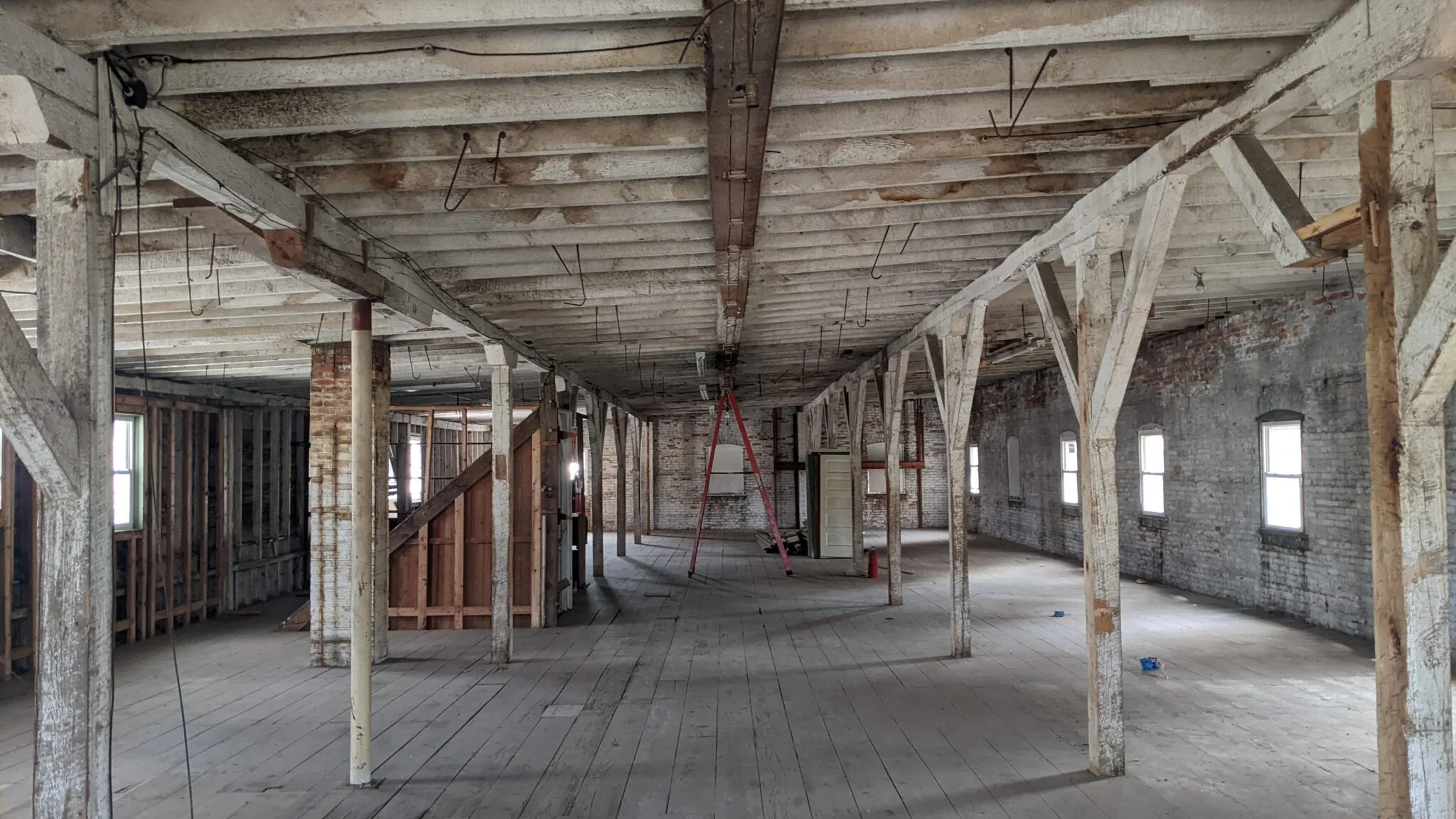
When the Topjians purchased the long-vacant historic property, many developers viewed it as a teardown. The building had sat dormant for years. Massive renovations were needed. Roofs, HVAC systems, structural stabilization, historic preservation work, and code upgrades all stood between vision and reality.
But Sevan saw something else.
“I have a real passion for these old buildings,” says Sevan Topjian. “They have a story to tell.”
That story began in 1912, when the building was constructed as Easton Wholesale Grocery. Positioned directly beside the railroad line, it served as a regional commercial hub for more than 90 years. Merchants from St. Michaels, Preston, and towns across the Eastern Shore came here for supplies before hauling them back home to sell.
The Topjians did not simply restore a building. They restored its purpose.
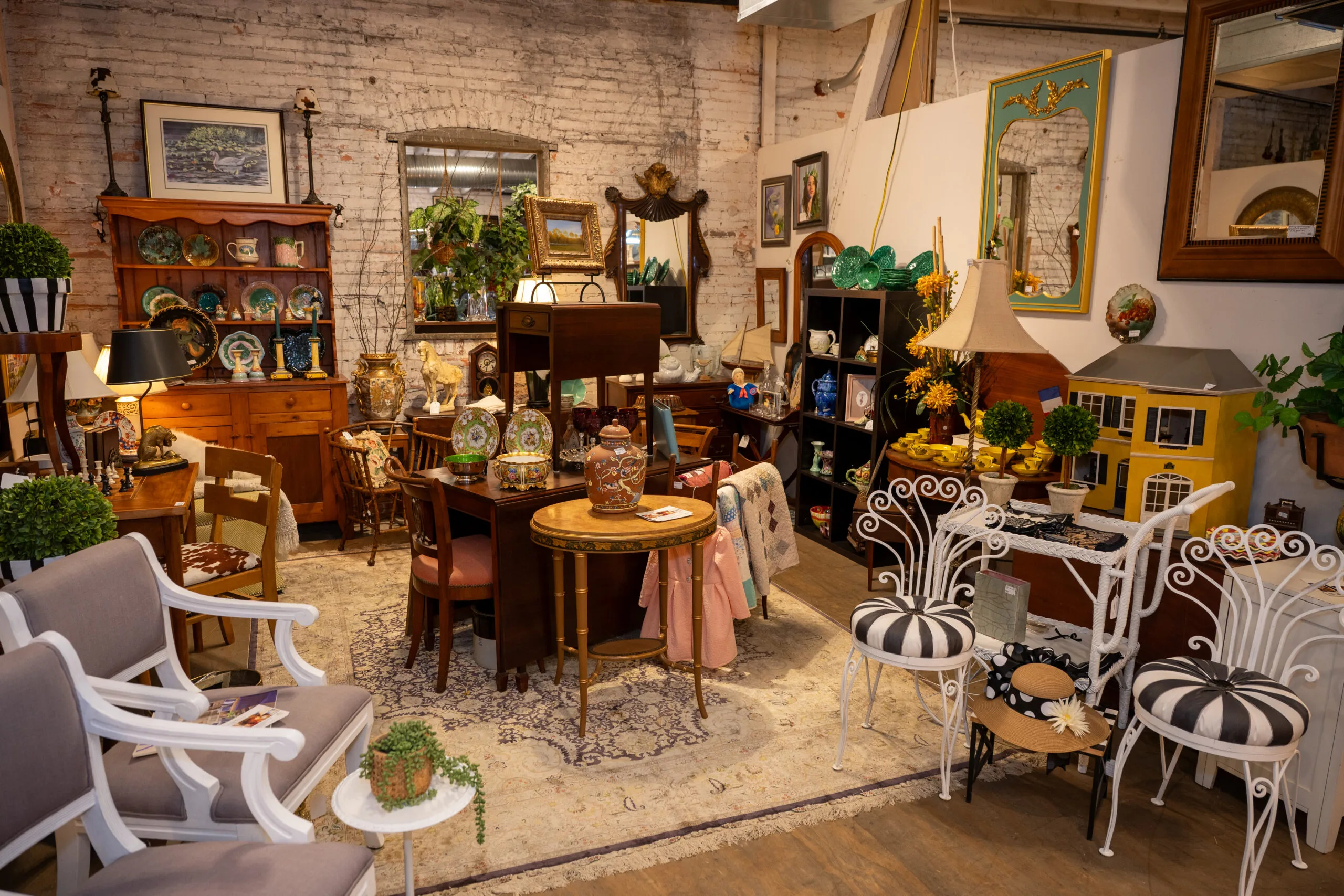
Working closely with the Town of Easton, Talbot County, and state partners, including support through Maryland’s Project Restore program, the family reimagined the property as a place where commerce, art, hospitality, and community could exist together again.
The result feels less like a shopping center and more like a gathering place.
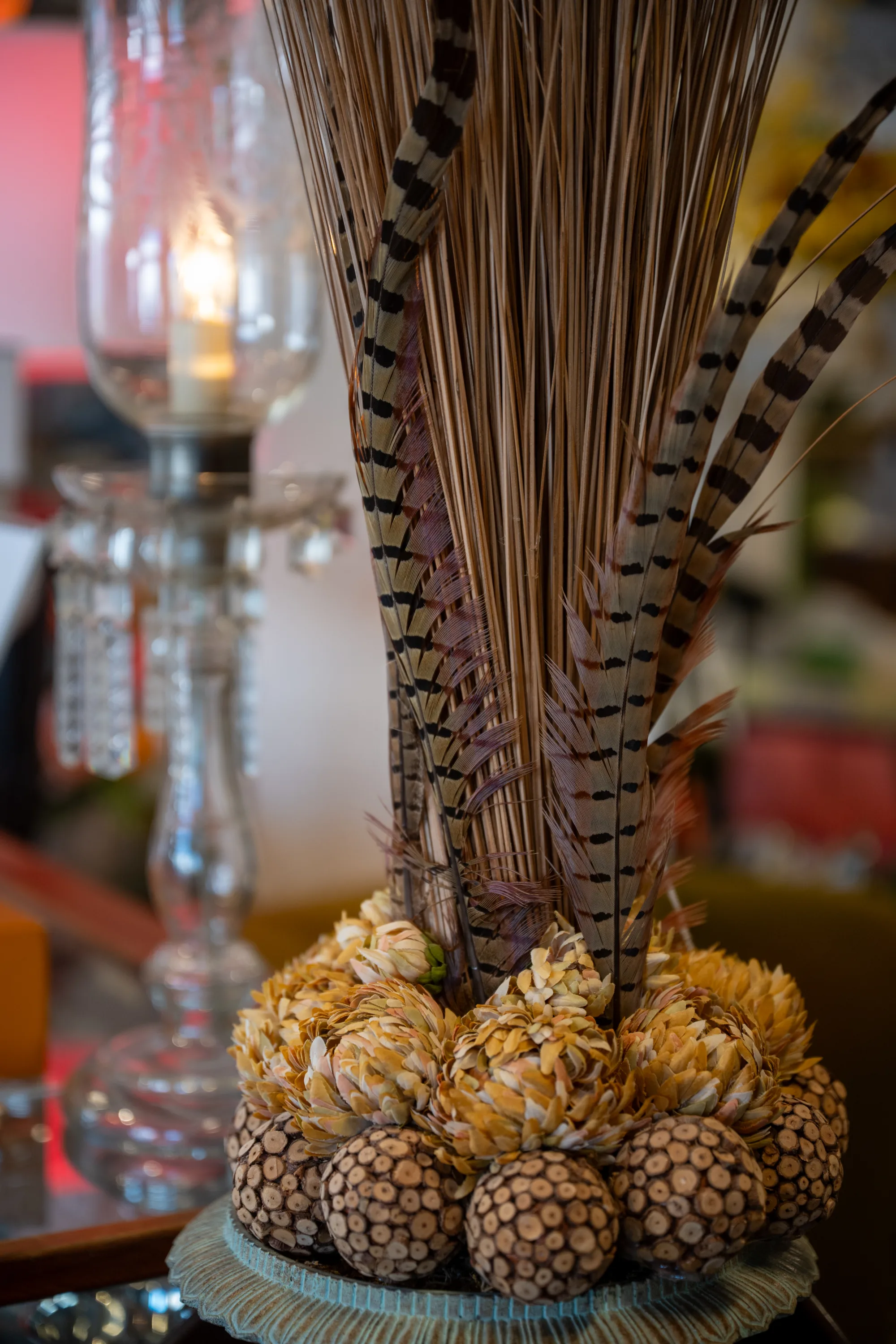
Inside the market, shoppers move from handmade pottery to fresh flowers, locally designed clothing, artisan foods, and one-of-a-kind gifts. Upstairs, weddings unfold beneath soaring historic beams in a 4,000-square-foot event venue known as The Loft at Dover Station.
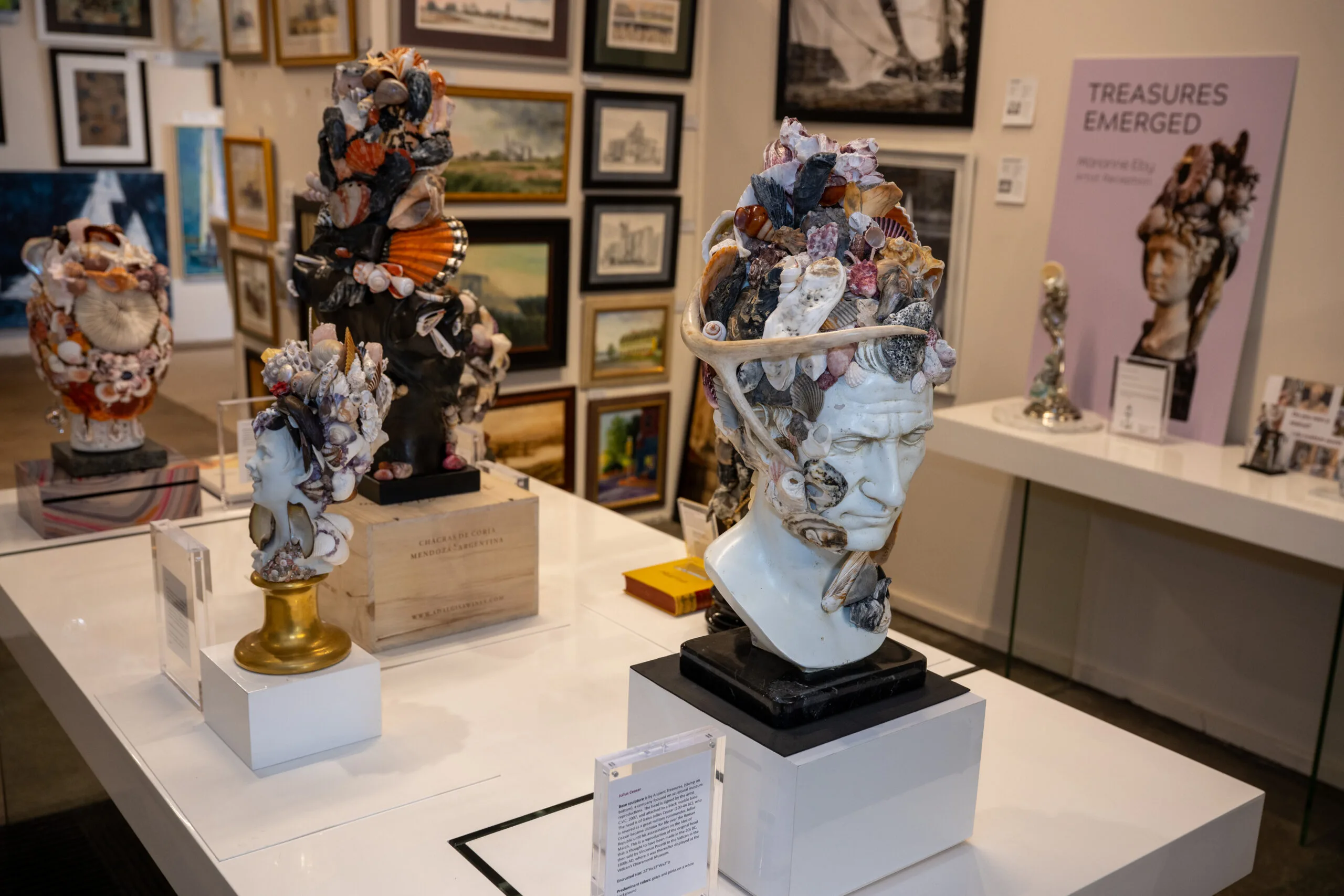
Art exhibitions rotate through the gallery every two months. Wine receptions spill into conversations. Community dances fill the floor. Corporate retreats meet beside birthday parties and baby showers.
“This originally was the hub for the town,” Keri says. “We’re trying to revitalize it and get this to become the market again.”
What makes Dover Station especially unusual is that the project itself mirrors the entrepreneurial spirit it supports. The business is truly a family affair.
Keri once worked in product development for Martha Stewart Living Omnimedia and later helped artisans in Armenia bring handmade goods to international markets. She also spent 15 years homeschooling the couple’s four children before stepping into the role of running the market full-time.
Today, their children help operate portions of the business themselves, with the entire family participating in shaping the business day-to-day.
For the Topjians, entrepreneurship is not just about commerce. It is about stewardship.
“We’re fortunate to be the stewards of this property,” Sevan says.
That sense of stewardship extends beyond the building itself and into the broader revitalization of Easton’s East End, where artists, entrepreneurs, restaurateurs, and developers are steadily reshaping one of the town’s most historic corridors.
The Market at Dover Station has quickly become one of the anchors of that movement. And perhaps most importantly, it has become a place where people feel welcome.
“We’ve got so many regulars that come in and thank us,” Keri says. “It’s become like a second home to us.”
In many ways, that may be the project’s greatest accomplishment.
Economic development often gets measured in investment totals, square footage, permits, or jobs created. Those things matter. But the most successful places create something harder to quantify. They create energy. They create belonging. They create reasons for people to gather.
The Market at Dover Station has done exactly that.
And in a building that once connected communities across the Eastern Shore by rail, the Topjians have managed to do it again, this time through local art, small business, and the simple act of bringing people together.
About Talbot County Department of Economic Development and Tourism
The Talbot County Department of Economic Development and Tourism’s mission is to enhance and promote a business-friendly environment for current and prospective enterprises and to advocate for policies that support and strengthen the economic vitality of Talbot County. The department’s vision for Talbot County is built on the principles of strong communities, empowered businesses, and innovative solutions.
Never Miss Talbot County Business News:
Subscribe to the Talbot Works newsletter here.
Wait! Before You Go!
Don’t forget to Explore Talbot County with us here.